Branding, artist relations and going freelance: Maia Jones
Maia creates and delivers marketing strategies for brands and artists, focusing on creating meaningful collaborations between them.
Starting out by working in graphic design and developing her marketing expertise, she took the initiative to develop her career by recruiting her favourite artists in Hip-Hop, Rap and R&B.
She now works as a marketing and partnership freelancer, pulling from her previous network.
Welcome Maia, thanks for coming on! What’s your story and how have you ended up where you are now?
Initially I was actually a graphic designer, that’s what I actually studied, and I was doing a lot of mixtape covers, song covers for artists so I was kinda in touch with music industry, but I wasn’t fully in it, and I wasn’t fully committed to the graphic design side of things.
I ended up doing an apprenticeship in marketing, but that was sort of like generic marketing, it wasn’t anything to do with the music industry, and I just sort of sat down one day and thought, “what would I actually enjoy to market, what type of thing would I actually like to do?” and it just clicked it was music. I’d done bits for like the MOBO Awards before graphic design actually so it was how I actually enjoyed when I worked at the MOBO Awards, I’m interested in working in the music industry.
I started doing freelance stuff, just trying to understand marketing with artists in music and stuff like that. I worked with a few different artists. I went to loads of events, like loads of networking events, loads of panel talks, and just got speaking to loads of different people, and that’s how I got into it.
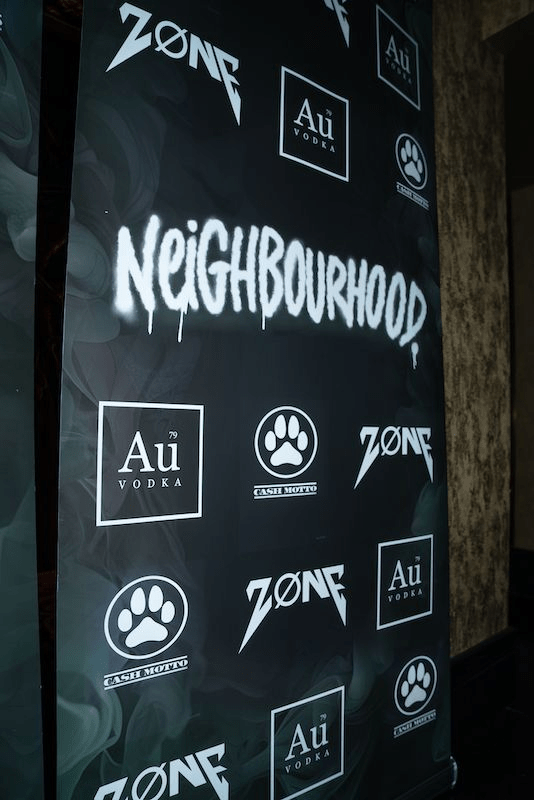
And then that’s when AU Vodka happened. I think they obviously realised that it was an amazing industry, and when we’d work with artists, I had good relationships with them. I went into the industry and I ended up being promoted to Artist Relations Manager, and then the rest is history really.
Did you go to uni?
I did actually go to uni, but I dropped out after two years
Uni just wasn’t for me. I think I’m more hands on and learning just wasn’t for me. I dropped out of uni and at the time as well I was working in a hotel. So this was sort of like a time in between transitioning from graphic design to marketing.
I dropped out of uni, I was in sort of like a dead end job. I knew what I wanted to do but didn’t really know how to get to it, so through just doing research and things online I found this apprenticeship company in Manchester. I ended up getting an apprenticeship through them, and it sort of just went from there.
Were you already making connections with people that you knew you could work with in the future?
Not in the music industry, because at that point I still didn’t know what I wanted to do in regards to marketing. I just knew I wanted to be in marketing, but I did have to do a lot of free work and stuff. At the time I was working for a hotel chain, but I was just a bar maid and speaking to the marketing team and the sales team and just like harassing them. “Could I get involved with this, or help with that?””
Eventually they gave me so much free work for them and I was doing a lot of graphic design stuff, marketing stuff, and then they ended up giving me a full time role from that was basically working with their hotel, before I got my apprenticeship.
What’s your background with music in Liverpool, what scene are you into?
Yeah so with me, it’s mainly UK Rap. I come from a mixed race background, Nigerian descent, my mum she plays a lot of like Dancehall, Afro beats, Old school R&B sounds. I kind of like all different genres, but, I’d say the main type of artists I work with at the moment are mainly UK rap.
I’ve worked with a couple of smaller artists. I think when I first started my music journey, there weren’t very many people working from Liverpool who helped the promotional side of things,there was more talent than there was support for artists, but a lot of the artists had to go to London to blow up, which has obviously changed over the years.
There’s quite a few people in Liverpool that are like doing similar things to me and artists don’t really feel the need to ask to go to London anymore to blow up, like have become sort of from home or local.
That’s interesting, isn’t it? The prospect of going down south to London to progress.
I do think it’s beneficial to go to London. There’s so many talented people there, if you’re in the UK then obviously, London’s one of the best places for it.
But I do think now there’s a lot of people in Liverpool that, with like the promotional side of things as well, you don’t necessarily have to go to London to find managers and support.
Would you say there’s a lot of diverse genres in Liverpool?
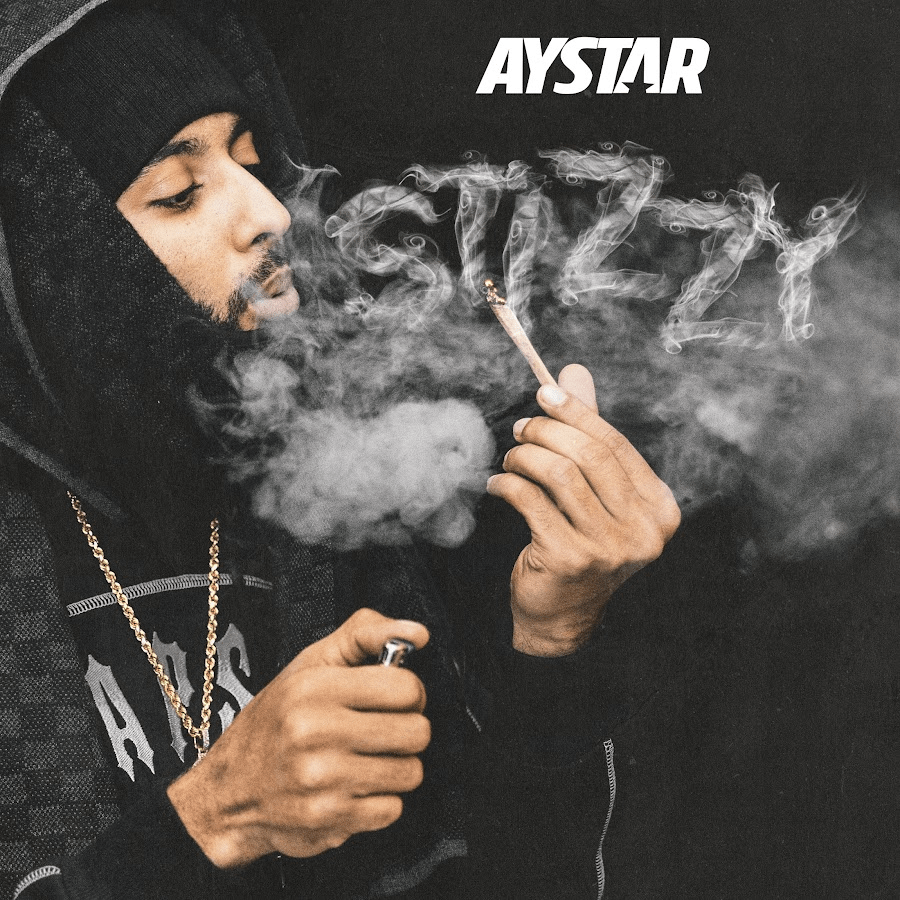
Yeah, I think it’s growing. I think when I first started there was talented artists that just weren’t getting recognition. But I think with people like Aystar, those types of people are sort of opening more opportunities for other artists in Liverpool.
That’s just obviously Rap but there’s loads of different genres, like there’s singers where I come from, a lot of movements.
Do you agree that there’s quite a prominent focus on indie bands in Liverpool?
Yeah, that’s right. I think where I come from a lot of the rappers at the moment in Liverpool will be in Toxteth. They’re the type of people I’ve been around from being younger and I’ve just watched their growth and their development.
Did you know it was partnerships that you wanted to get into?
Do you know what, I’ll be honest with you, when I was at AU Vodka I was the person who came up with the ideas for generic marketing basically, and then I sort of transitioned more to artist relations, but I’m still doing marketing within that role. Inevitably with that job role I run into a lot of partnerships, partnering with different artists, partnering with different brands, working with a lot of freelance people as well.
I’m doing similar work myself now, and just seeing sort of how they move, how they sort of approach brands, the type of packs and decks and stuff that they send over. I’ve just sort of picked up knowledge from that early on and somehow, I’ve just ended up in this role. It’s crazy to be here.
What does it involve, artist relations, for someone that would be interested in the role?
My main job role as the allocator for the budget every month so, I’ve also had to do a whole gallon of things as well. Your network is probably your most valuable asset in a job role, because I’ve got quite a big, nice network within the UK Rap scene, and if someone needs bottles for a party, or they were doing an album launch, or whatever it may be, these sorts of things, they sort of hit me up.
I think once you’ve got that network, it’s a lot easier to move and you’ll get more opportunities if you start out than if you don’t have that network, I’d say. Just go to as many music marketing and events as possible. Go to as many panel talks and get yourself out there and start with connections.
A lot of people I’ve met at panel talks, network and events, the people that you meet and you might not necessarily think that you could work with, you might not be able to see a vision of like how you two could collab, but like years down around the line you might be like, “oh, actually I met this person a few years ago”.
With the job role, I was working for a brand so it was just basically making sure that the artistry I was working with was making sense for the band, their sort of target audience aligned with the artist.
I’m basically working with artists when it makes sense. If I know an artist is releasing an album next month, I’m working with them around that time.
Just meeting someone once, it makes such a difference. Whereas emailing someone can be just forgotten sometimes..
Yeah, and just keeping in touch with people as well. Instagram, I know a lot of people use. LinkedIn and stuff, and LinkedIn’s great. I’d say in the music industry, I’ve noticed that the main platform for people to connect on is Instagram.
And, obviously, with Instagram, you can see what other people are doing. If I meet someone tomorrow, by next month, we could have had another conversation about a separate project that we’ve worked on, because I’ve seen them post it.
What is branding and how do artists know that their brand is strong enough?
I’d say just being consistent, sort of just seeing what works for them. When they’re doing content I just try different things and see what works, copy it, you know what I mean?
If you’ve posted a video on let’s say TikTok and it’s got X amount of views, and it’s like significantly higher than other videos you’ve posted, I’d say to just copy it again, and not just basically jumping on any trends. I’d say find your niche and stick to it. One of those artists that just jumps on everything and sort of doesn’t have a personality, they just can’t tend to do everything. I’d say stick to your personality, and how you want to be perceived as an artist.
It doesn’t just have to be music. You might be a good cook, you might be into football, do you know what I mean? Focusing on them niches opens up a new audience.
And just staying consistent, make sure everything looks clean on your page and portfolio. Making sure your images look clean, not random screenshots. Get your logo and stuff together, even coming up with colours that you’d use to sort of represent yourself, it might be embedded in your logo.
It might be like, little spots of colour that you’ll have throughout your Instagram page. Just try not to mix it up too much, do you know what I mean? Obviously it’s good to introduce, new things to your audience, but just don’t go overboard with it and try a bit of everything.
We’re in an age now where artists aren’t paid very much from streaming. Do you think that brand partnerships are an option for artists as they’re emerging?
I think it’s a bit of both. I think you can approach brand yourself and be approached by brands.
I think partnerships are so beneficial for a lot of brands, using celebrities to endorse products is so beneficial towards brands when you look at like, stats off the back of things, like an organic post from that brand compared to a post with artist endorsing it, the stats are significantly higher.
I think a lot brands didn’t really know how to work with artists, especially sort of in the UK Rap scene. If you did want to get into something similar to what I’m doing, I think there’s so much work to be done, because a lot of bands would love to work with an urban demographic, but don’t necessarily know how to get into it.
And then I think, if you’re an artist, and you sort of want like brand deals and stuff, even if you’re smaller, it doesn’t necessarily mean you can’t get a brand deal. You’re not going to go to Nike if you’ve just started out in music and expect a deal off Nike, but there’s small businesses, do you know what I mean? There’s independent businesses where you could approach them, show them your stats. If you can sort of like show them that you’ve got a plan, like let’s say for instance, you’ve got a six-month plan and you’ve got your rollout plan and you can sort of like show look I’m expecting to to blow up, I am expecting this to go well, that to go well, do you know what I mean? A whole lot of brands will take that on board, especially smaller brands.
You don’t have to be a huge artist to get a brand deal. Obviously the bigger you are, the more money you’re gonna get and the bigger the brand’s gonna be, but that doesn’t necessarily mean you can’t get one, there’s so many brands in the world, do you know what I mean?
Even if you don’t feel like you’re a big artist right now, a brand working with you when you’re smaller could actually be really beneficial for the brand because they could work with you when you’re at the beginning of your career, but then fast forward, let’s say, a year, two years, you’ve now blown up and that brand was one of the first brands to work with you, you’ve already built that relationship with them as well.
I wouldn’t say you can’t get a brand deal if you’re a smaller artist or you’re just starting out.
To basically get a brand deal, it’s just about putting a document together about you, what you do, your basic stats on social media, your interests, and then don’t work with a brand that you don’t feel like you wouldn’t endorse. It’s best if it’s an organic partnership, where you actually do like the product or the service, or whatever it is that you’re endorsing.
How have you sort of managed to balance keeping the artists happy and the brand at the same time?
It’s just having good communication, and sort of understanding how to speak to an artist. Like I said, I specialise in UK Rap, so as much as I’m professional, I’m not very formal, do you know what I mean?
I’ll speak to them on a level that sort of they understand, and just keeping open communication, making sure that the artist knows everything that’s going on. Obviously making sure you’re not harassing them and running them down constantly but just sort of keeping them aware with what’s going on and making sure that they’re happy and relaying it back with the brands and stuff as well.
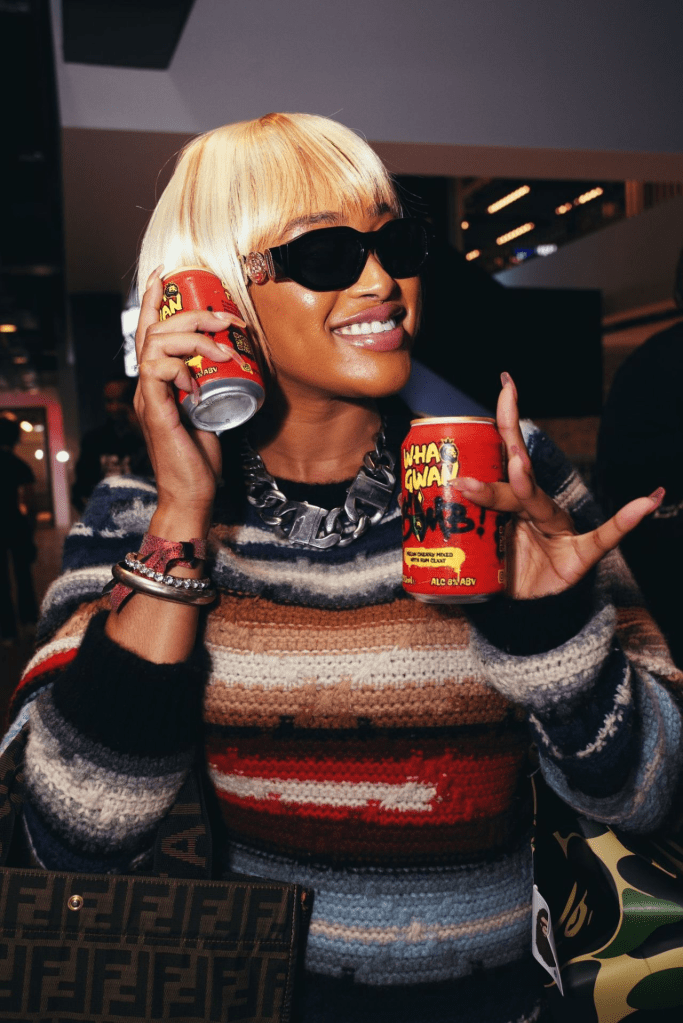
If its an event you’re sponsoring, obviously just being there on the day making sure that you’re getting all the content like liaising with like photographers. videographers, checking in with the artists making sure that they’re comfortable, and obviously like liaising back with the brands and stuff as well.
Just follow up after it, if it’s an event, making sure the artist is happy with the pictures. It’s just basic communication. Just making sure everyone’s in the loop with it and you just constantly like feeding that information back to people.
Let’s say for instance, if you’re sent a proposal, if you’ve included the deliverables that you want out of it in that proposal, and they agree with that, then it’s sort of happy days from there. Do you know what I mean? The artist knows exactly what to expect. Once they’ve signed that contract, they know exactly what it is that they’ve got to do on their end, and exactly what the brand will be doing on their end, and they’ll know how much money they’re getting, when they’re going to be getting the money.
I think as long as you’ve got that proposal in place, and the contracts have been signed, it’s quite easy, and everyone sort of knows where they stand, and what’s going to happen. I haven’t had a situation where an artist hasn’t been happy with the outcome of a partnership, or, confused about what they were asked to do. It’s just having that open communication at the beginning, and just making sure everyone knows 100 percent who’s doing what and what’s expected of them.
What other skills would you say that someone that’s interested should sort of pick up or that they should keep in mind for it?
I’d say communication’s obviously important. I think it’s got to be authentic to work with an artist and a community, it needs to be organic, you don’t want it to be like, “What’s this person doing?” you know what I mean? It needs to be relevant, and it needs to make sense, basically.
Having that creative mind when you’re approaching a band, make sure you have a mind, how it could work for them, why it would work for them. Or else, I’d say, just having a good network of people, like artist managers, artists, photographers, videographers, maybe content creators.
I’d genuinely say your network is the main thing, to be honest, and having good communication. I think you have other attributes as well, but I’d say they’re the main things. Once you’ve got that, it’s sort of easier to move around.
How have you found the transition to working for yourself?
It’s going really well. I think if you were to ask me a few years ago, if I was above employers, I would just be against it.
But, honestly, it’s going really well. I think, obviously, my network has really helped me, and I think campaigns and stuff I’ve done in the past, people have liked it, every office I’ve worked with has been happy with how we’ve worked together and stuff. I’ve built a friendship with them or the managers. People have enjoyed working with me, they’ve had a pleasant time and I’ve worked with them before.
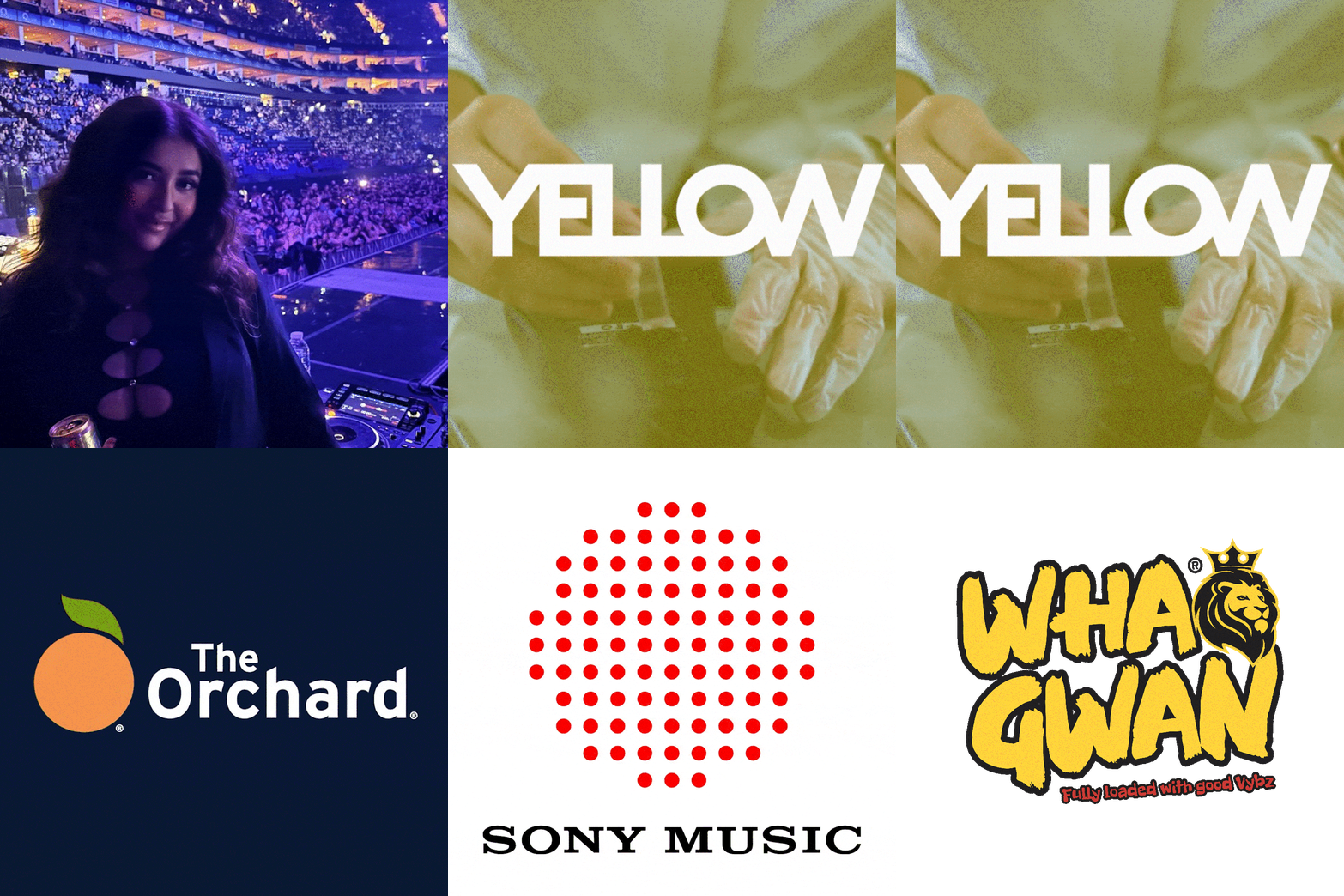
So inevitably, it’s meant that it’s opened doors for new opportunities and new deals. It’s just literally been non-stop, really. I’m working with another drink stand at the moment, and I’ve been doing quite a lot of art related partnerships with them. I’ve taken them to the Sony headquarters in London and a couple of different artists as well.
So yeah, it’s busy, but it’s good. And I think it’s more rewarding as well when you work for yourself.
Did you decide to do it for a particular reason?
I think I was living in Swansea at the time. I feel like there’s no place like home, I did want to come back to Liverpool. When I was looking at jobs and stuff, cos I was ready to move on, but a lot of them were based in London and I just thought, and I was still getting a lot of opportunities regarding my partnerships and stuff so I just thought to myself, “do you know what? I could actually do this from home and travel to where I need to travel to, as and when I need to”.
I’m still getting a lot of opportunities coming to me with people wanting brand partnerships, different artists wanting partnerships, and I thought, “I might as well just trial it, even if I give it a month or two, see how it goes. If it doesn’t work out, I can go to another brand, do you know what I mean? Or I can maybe go to the label”.
It’s going well. I’m busy every day, and I get to live at home.
Whats it’s the most exciting thing that’s happening in music for you?
And I think it’s a time for, new artists to basically make a mark because like with platforms like TikTok you can go viral overnight. I think it opens up your audience which I’ve seen with a few artists that I’m working with, sort of blowing up overnight. I think a few years ago that wouldn’t happen, I don’t think Instagram really provided that or they really offered that. So I think that’s exciting.
I think a lot more artists are sort of getting the recognition that they deserve with a lower budget. I’ve seen a lot of artists just sort of blow up on TikTok with just using their brain and just being creative, they might not necessarily have a big budget to create a big music video or create an expensive campaign and just sitting down and coming up with creative concepts and ideas.
As well as that, I’m meeting a lot of women who do similar things to me lately that are doing really well with my partnerships, working with the labels and stuff. So, I think, initially, when I first started, it was a lot of men, but I am seeing a lot more women in top CEO positions as well.
And I’m seeing as well a lot of people are staying independent, taking the independent risk, which I think is really cool as well. Not just depending on labels. I think a few years ago everyone’s dream was to be signed to a label and I think people are starting to think now, “actually, you know what, I’m supposed to do it independently and own everything for myself”. I think we’re seeing more of that at the moment as well.
What motivates you in your role?
Working with people who you actually listen to, it’s great working with people that I listen to on a day to day basis. Also seeing the results off the bat, and seeing campaigns and brand partnerships going well.
Working with your favourite artists, it’s cool, do you know what I mean? It’s fun. Sounds a bit cringe, doesn’t it? I think especially with partnerships, it’s all about meeting people and getting to know them and how they want to present.
I’m really passionate about music, it doesn’t feel like work. I actually enjoy writing about music, I enjoy working with different artists, I enjoy meeting new people, meeting managers and meeting execs, I enjoy networking so it doesn’t really feel like work, to be honest.
You have any artist recommendations for people?
One of my favourites at the moment, he’s from Liverpool, he’s called Kasst. He’s really good, he’s been around for a few years but I think he’s starting to blow up more now. He’s from the same area as me and he did a freestyle the other week that just went viral and I’ve seen that link on a TV poster, there’s some blog pages posted, it’s gone viral on TikTok, on Instagram, so he’s definitely one to look out for.
 ARTIST AVENUES