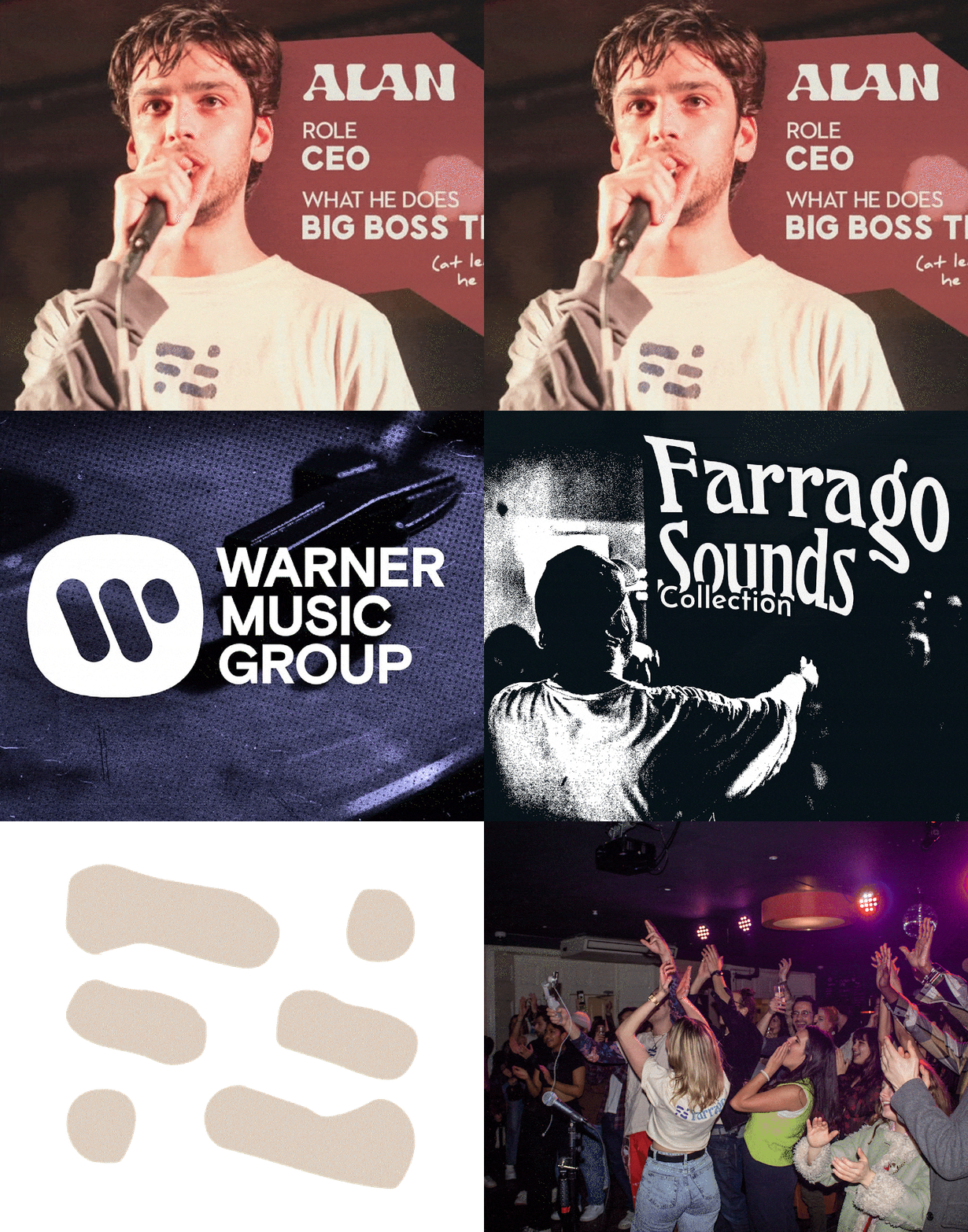
- Alan is the CEO and founder of London based Farrago, an events-driven community to showcase and uplift artists with services through their agency and trusted partners.
- Previously a finance intern at Warner Music, he’s seen what it takes to run the big leagues of music.
- With a pool of 1,000+ artists and 5,000+ audience members in the past, Farrago is thriving and keen to expand their network.
Hey Alan, tell us your story up till now..
I studied economics at university, I found it very interesting and did it for the love of the subject, but kind of found that other people in my course were doing the subject for the love of money and the kind of opportunities that it provided. I was someone that was really immersed in my studies and just loved university life, friends, going out, doing all the sort of things that a normal student would do, but then found myself after university kind of jobless and without a clear path. I tested the waters of accounting and other related finance roles, and then finding that that was very bleak and boring, I wanted to kind of sidestep into something that I was sort of interested in.
Music wasn’t necessarily something that I’ve always been craving to jump into as an industry, but definitely an area that I’ve always been interested in. My brother’s a music artist himself, I’ve always seen myself as his unofficial music manager, and there’s definitely that music that runs through the family, so it’s unfair to say that it was completely out of nowhere, but I thought, okay, “if I’m not going to do finance or accounting or anything of that sort of nature, maybe I can try something like the music industry,” and that’s when I did a Google search of like finance music internship, and this opportunity came up, and I remember that it was just a couple interviews, I was so surprised by how quickly it all went by, and ended up kind of getting the job.

I actually think it’s worth quickly mentioning this anecdote, because after getting the role at Warner Music, I kind of asked like, “why did you choose me?” I didn’t have much to show in terms of my music passion or anything else within the music industry, and the reality is that they had over 200 applicants in the space of a couple days, and they actually just picked the first two people that kind of filled enough of the criteria, and there were plenty of other people like me who were good enough. We did the interviews, me and my fellow intern, and we both did good enough, and they were like, why bother interviewing anyone else if you guys are great, and so like, I just happened to be one of the first people interviewed, and they decided not to interview anyone else, which I always think is a bit bonkers, that this is what that kind of random luck has led to me on this path of building Farrago and everything else, so yeah, a big part of it is luck, but also just kind of feeling dissatisfied with where I was currently going, wanting to dive into something a little bit more interesting, and now music is my life and I absolutely love it.
So I guess maybe it was on personality as well?
Yeah, largely it’s personality, and they want to get to know, like, you get along well with them, I mean, the nature of finance and those accounting roles is more like, you have the skills, but as you say, like, beyond that, there’s so much room for, like, many people could do it, and once they found that we got along, they’re like, he’s good enough, let’s go with him. It was a really special opportunity, very grateful to have done that role, even in accounting and finance you just learn so much, and you meet so many amazing people.
iiStarting From Scratch
iiHow a Playlist Became Farragoi i
Of course. So then, how did it sort of bloom into Farrago?
Well, again, I think, I maybe had some sort of desire to build something one day, but for me, it was always focused on a social impact, and for me, again, maybe from the experience of my brother being a music artist, and him struggling like most music artists to make money from their music, and hoping it would grow. I kind of wanted to create something that ultimately just supported music artists on the grassroots side of things, to support them as best as we could.
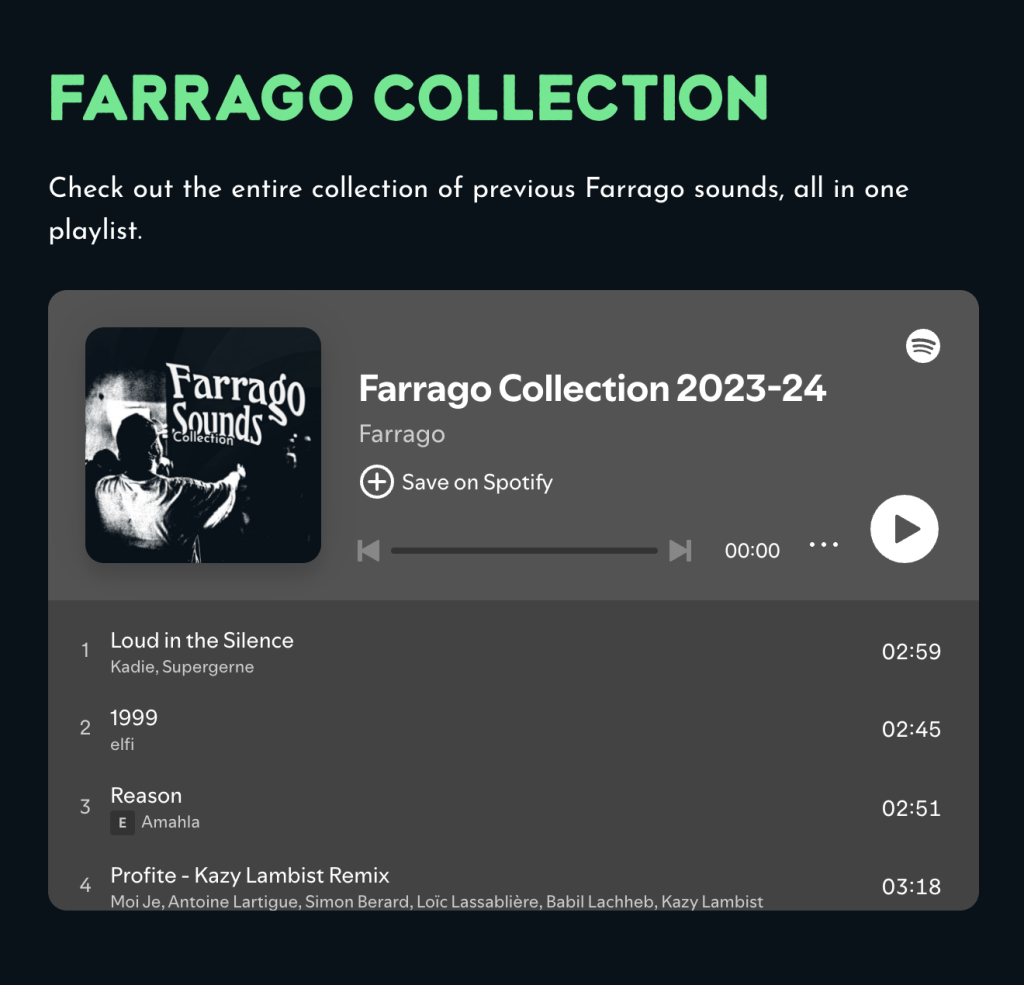
I didn’t necessarily look for a gap, but I wanted to create something that helped them and honestly it started very innocently from a playlist that I’d literally put together with my current girlfriend. We kind of bonded over music, and more specifically about like discovering smaller artists on Spotify. She was someone that, like, religiously listened to her Discover Weekly, and then would find all these other small artists and share them with me, and we were like, “great, we love finding these music artists, why not share them with our friends?” So we put together a Spotify playlist. This was during lockdown as well, or after the first one at least and we started sharing with our friends.
It was just a fun exercise for us to discover new music, and our friends started to enjoy it, and it started to grow in terms of its followers, and I even had this one YouTuber who interviewed us on the street at one point. He ended up asking about our music tastes, and it ended up being referenced on his YouTube video, and then from that, it really started to get a good number of followers, to the point where music artists were asking us to be featured on the playlist because they could just get a bit of exposure.
So I think I kind of pay a lot of homage to that moment, because it started to open my mind up to the possibilities of supporting these artists, and I think I was like, great, these artists need opportunities, they need exposure, and I kind of started to develop the ideas for Farrago.
I remember, bringing my friends down to my living room, cooked them dinner, and I was like, guys, I’ve been thinking, “from off the back of this playlist, and artists needing opportunities, we should build Farrago”.
The initial idea for Farrago was this grassroots music festival for just emerging music talent, and it wasn’t anything particularly novel in itself, but all my friends really backed the idea. Yeah, we need to provide more performing opportunities for artists, and yeah, and we were like, maybe a festival is a bit big to start off with, let’s start a bit smaller, and then we started throwing some small events, and you know, here we are today, and now we’ve hosted over, I think it’s 50 over, over 50 events, platformed over 200 artists, and I think we’ve welcomed over 7,000 attendees or so. It’s crazy to think how far it’s come, and one day, we have hosted a festival on a small scale, but I’m hoping one day, we will do a big festival one day, that’d be fun.
i iBuilding a Scene — Events, Stress, and the Impact of Friendsi i
It must be a little nerve-wracking with these events, did you feel like it was a lot more pressure than your finance role?
Well, I think you go into these things very naively, thinking that it’s going to go very smoothly, and I think that definitely helped, but then you quickly realise, as you’ve said, like, it can definitely be more stressful than accounting just because you’re kind of succumbing to the need to sell as many tickets as possible, which is usually the biggest factor, but, you know, and that is still something that haunts me to this day, making sure that we sell enough tickets.
Thankfully, well, when I started this business, I had a group of friends, and we all were really passionate it, it just meant that I had, like, seven or eight people who were sharing it with their friends, and friends of friends, and I definitely think that that was one of the key factors to our success. Having a team who were so committed to the cause, and were sharing the event with all their friends, I think that’s what allowed us to grow, not too fast, but fast enough to be able to keep up with the events, and the need to sell tickets, and meet that level of demand. In terms of event organisation, that’s the stuff you learn, learn by doing, we didn’t have any event experience beforehand, but you learn through your mistakes, and I like to think we’re better at organising events now. I know what it takes, but yeah, definitely a very stressful venture.
What else did you feel helped you push forward?
Interesting question, definitely friends, I think a lot of people start music businesses alone, and they have a real passion for it, and they don’t have anyone to lean on, so having my friends was super special. Not only that, my friends all, for whatever weird reason fit within very specific roles, and so one person was very keen on doing all the graphics for the events, one person was very keen on setting up our website, and doing all the ticketing, another person was very keen on establishing the relationship with venues, and it was very seamless, and that was super helpful, to know that we all had these different responsibilities, and that everyone was interested in those specific areas.

I think also a big part of why the team worked well was just the trust that we had within one another, to know that everyone’s really committed, again, to wanting to build these events, and build it to what it is today, but beyond that, I feel like what kind of keeps us going is just the reasons why we started it, I feel like, as long as you keep reminding yourself of your initial intention, and for us, our long-term goal is to build Farrago into this one-stop destination, whether it’s through our events, or through the resources that we provide, that help music artists who want to earn money, and grow their careers through performing live.
What we set out with our initial intention it hasn’t changed, and I feel like the reason behind doing that is that we’re all so passionate about music, and I’ve got a brother, again, who I would love to like, you know, reach the actual top echelons of the music industry one day, and so, like, those are the things that drive us. We’re all just so passionate, so definitely passion got us through.
iAdvice for Artists — Performing, Networking, and Long-Term Growthii
What sort of things are you looking for in artists?
Yeah, when we first started, like everyone these days, whether you’re into music or not, you know someone who’s making music, or who’s passionate about wanting to be a music artist, so we started from just our network of friends, and from that, the word started to spread. I think we started to realise that when we set up our website we could just put up an application form, and it allowed us to reach so many more artists which was really exciting because sometimes our events incorporate other types of artists not just music artists, so that was really special to be able to form those connections through our website.
What we really look for, I think,
with Farrago we’re not tastemakers. We’re not trying to push a specific type of genre or style but what there is a skill in is an actual performance ability,
and there’s very different types of performances that you can have but what we really look for in our case these days, is someone who can put on a great show.
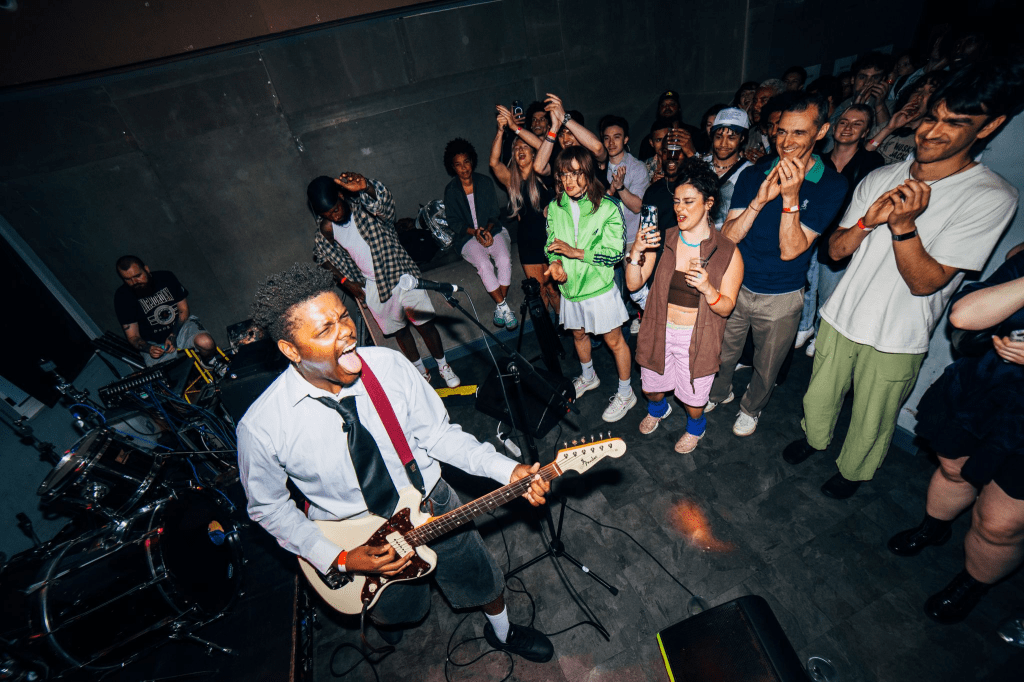
Shows can look in very different capacities, whether you’re like a singer-songwriter or whether you’re a jazz band, it’s just about putting on a great show, and we as a team that’s the main thing we look for. We’ve platformed most types of genres, and we’re always going to keep it that way. We remind ourselves that our name Farrago, actually it’s an English word, it means a confused mixture in English, and we want to make sure that we continue to embody that every time.
If we ever think that our events are kind of aligning to one specific genre too much, we’re kind of showcasing the whole plethora of the music industry as best as we can. For us it’s always based on performance ability, and then beyond that, it’s kind of up to our audience choose whether they like it or not. You might come to one of our Farrago events and be like, “I didn’t love that singer-songwriter, or I didn’t love this hip-hop artist”, but you’ll without a doubt feel that they were a great performer, that’s just because you didn’t love the genre, or that’s not your style of music, but for us, it’s about crafting a roster of really great performers.
Do you think an in-person audience is as important as an online presence for artists, or does it depend on the artist?
I think the most important thing is that one is not better than the other. It is very much understanding what type of artist you want to be. So if you are an artist that wants to be performing live, then you know maybe your online presence isn’t as important. I mean, I will never tell an artist to neglect the online presence, because in today’s world of social media, I think you’d be missing out on huge opportunities if you don’t at least expose yourself there. But when it comes to music artists and performing live, if that’s an avenue that you want to explore, and I’m biased, I think it’s one of the best avenues to explore, partly because most artists make most of their money these days from performing live. You can earn from a thousand streams, four pounds, but then from one like a two-hour performance, you can earn up to 200/250 pounds, possibly even more. It feels like an absolute no brainer to be neglecting performing live.
I think it all starts with understanding what type of artist you want to be, because being a digital, an artist who just creates digital music and puts on streaming platforms is so great as well. I think it’s just understandable that those artists who then come into the performing space, someone like Pink Pantheress, is going to feel a little bit out of place in the beginning. And same for those other artists who’ve been performing loads and are just releasing, they may not feel that that’s the best reflection of who they are. But yeah, I think that it does start with who you want to be as an artist.
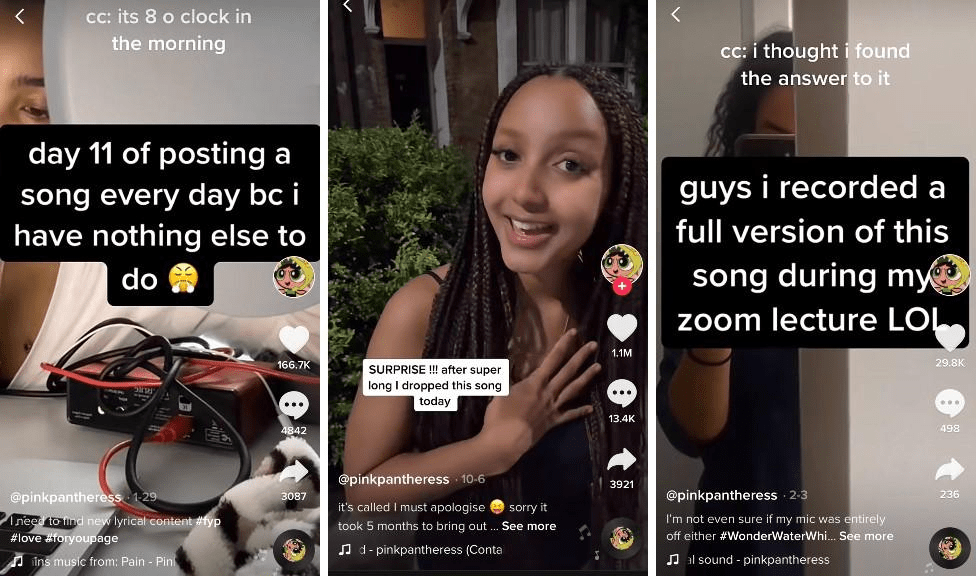
I think my bias is that I think more artists should explore the performing live side because of the opportunities in terms of pay, building a fan base, and wider opportunities that it can provide. I mean, I just came back from the Great Escape in Brighton, but you know, that is a whole festival dedicated to artists performing live in the hopes of kind of being exposed to the right people within the music industry. And that festival is so special because it does showcase the value of live music.
What advice would you give to artists who feel intimidated by performing or aren’t used to it?
Actually the simplest thing I could suggest is hours and opportunities that you get under your belt when it comes to performing. Because the best performers I know are the ones that have just done it the most.
Some people are born or are better performers naturally than other people, but the ones that are the best are the ones that have put in the hours and take up those opportunities regardless of the pay or who they’re performing to.
So for example, the best performers that we have, or I’ve worked with, are buskers because naturally, these guys are performing on the streets, performing in front of largely no one most of the time. But then they’re forced to kind of create an audience to keep the audience engaged and captivated by their music, and there’s a real skill in that.
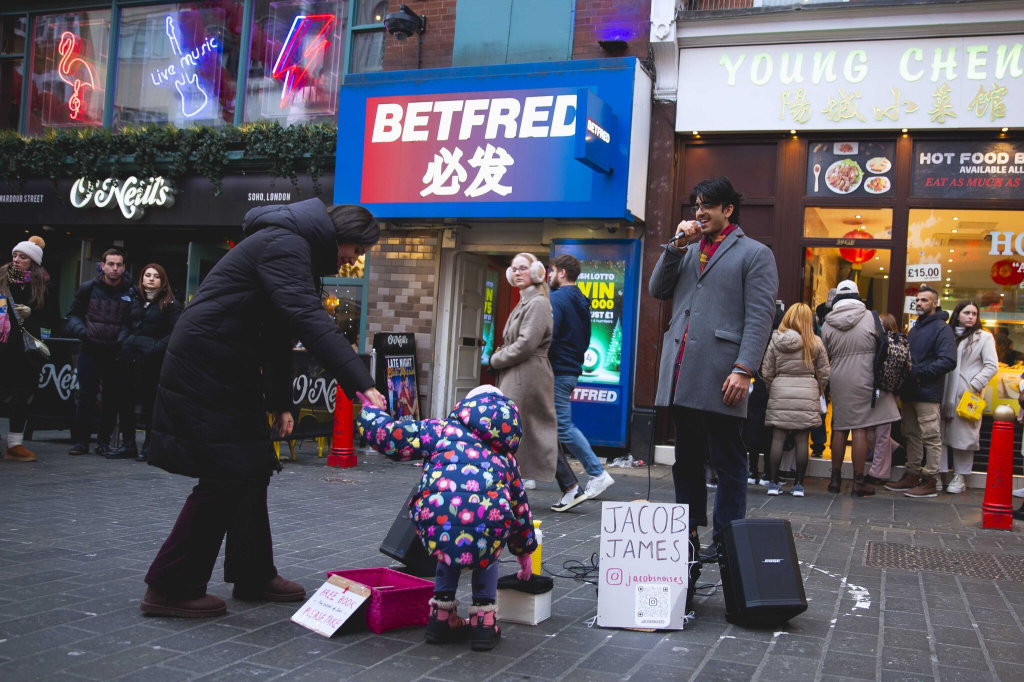
That’s a very specific type of performance, but I definitely think whatever type of performer, again, you want to be, the more hours that you can get and the more performances you can have, just to build up your experience, is the best way to improve your performance ability. I think the reality of the beginning, it’s going to involve taking opportunities that may not always be the most desirable, but it should come with the trust that you’re going to get better opportunities when it comes to pay, exposure, and everything else. I think I come from the perspective of somebody who’s not a music artist, I’m reluctant to give specific advice about that, but from what I’ve seen quite objectively is, it’s those who perform the most that are the most comfortable and confident and better performers.
How do you help artists grow their fan base long-term after performing at your events? Do you get really involved with them?
Yeah, at the moment, our support is fairly limited in the sense that what we do provide is we book artists to perform at our events. Our events are relatively unique, I think in the grassroots space, because we don’t rely on artists to promote. So we’ve got an event in next week, which will sell 200 plus tickets, but the artists alone will not bring more than five people each. So what we can provide is this huge audience for them, without them needing to be the sole promoters, you know, the problem with grassroots in the music industry, at least on the performance side of things, is that artists are required to bring so many people, the pay is awful. But we can provide flat fee and give you a great audience without, and we’ll let you focus on putting on a great show without having to stress about bringing your friend and everyone else that you know to these events. That’s the biggest offering that we can provide at the moment.
And then for set artists that are part of our agency, we provide regular performing opportunities. So our agency caters for specific artists who, unfortunately, are just a bit more commercial. We work with people like Soho House on a regular basis, we work with corporate clients. We’re doing, for example, a workspace next week who want a jazz band, so there’s lots of opportunities for artists there. Understandably, it’s not the most desirable opportunities, but the reality is there’s good money in the commercial side of music. So as a jazz band who may not love doing jazz covers if I can pay them really well, I know that they are going to get more opportunities to support themselves and create their original music and hopefully get more opportunities to perform their own original music, whether it’s at our events or with other promoters.
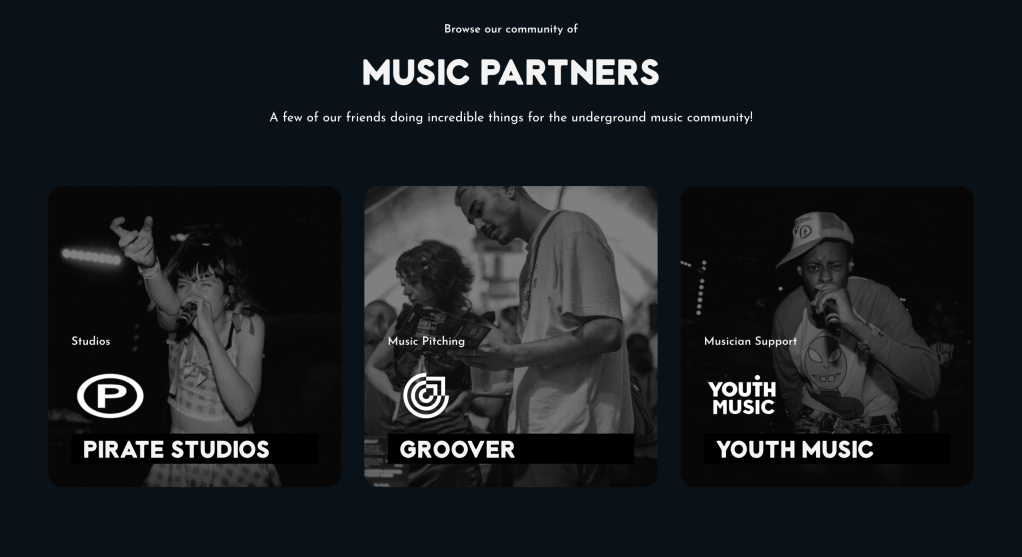
And the long-term goal is that we can also partner, we’re currently partnered with Pirate Studios and Groover, but we want to partner with wider music businesses to kind of provide a comprehensive suite of services that artists would need when they navigate the music industry, looking more on the live music side.
So hoping to partner with other music equipment companies who can offer discounts for artists when it comes to sourcing music equipment, and anything else within that sphere. There’s so many great music businesses doing amazing things. I want to make sure that our support largely focusses on the performance side and what we can do there.
I should also mention that we do networking events and we’re also hosting a conference at the end of this year. We did it a couple of years ago in 2023 called Amplifier Music, which is all centred around trying to support artists and mixing them with music professionals to learn from them, while hosting panels, masterclasses, and bringing down a bunch of sponsors as well who share our interests of wanting to support the grassroots music scene.
Was it challenging for you to partner with venues in London, or is it an accessible market?
Definitely a barrier to entry. We, again, were lucky enough to have a team and we had someone within our team who happened to have a relationship with one venue. That one venue gave us very favourable terms to host it where we didn’t, I think we paid a very limited venue hire, it might have been just like a hundred or so pounds, but that came out of all of our savings.
It was a very free, it was a free event but they trusted us to put on that first event. And because it was free and we promoted it heavily, we managed to bring down enough people to sell out the event. I think getting that foot in the door and having that experience of having hosted that first event made it a lot easier to sell to other venues as we worked our way up, whether it was bigger venues or more prestigious venues.
But definitely getting that foot in the door largely relies on your network of who you know and how we have helped a few artists is at least just providing some assurance to the venue that these artists are trustworthy, and that they’ll be able to sell.
An artist going alone to a venue who wants to organise their own gig and has never organised their own gig before, will prove very difficult for them. I have experienced artists trying to sell themselves but the venue not trusting them because they have nothing to show for it. When it comes from someone like ourselves, now that we’ve hosted so many events, if an artist needs that backing, we’re very happy to give them that verbal backing that these guys would be able to do a good job.
So unfortunately, there definitely are barriers, once you get your foot in the door and you do a great event, hopefully you can build on that success. The more and more success you have, the easier it is to sell to venues. Some venues that we work with, especially the bigger ones, we’re still having to prove to them that we are worthy of being able to host with them, that we’ll be able to sell enough tickets. But it definitely takes time and finding your network of someone who has a connection is the best way to get started.
iiFarrago’s Past, Present & Futureii
Are you planning on expanding into other parts of the UK and any advice for artists outside of London?
I think we want to, I think London is so amazing and so diverse, but also very busy. I don’t want artists to feel priced out — like they can’t afford the rent and living costs of being in London and therefore can’t grow their music career. There are so many opportunities to create special music events and experiences outside of London, so definitely keen to expand. Probably not this year — looking at sometime next year.
The fortunate reality is there are so many opportunities here, so all artists come here, and it’s so saturated. It’s great, but so much competition. I just want to bring that music and support outside of London for sure.
Yeah, I think as an artist, the early days definitely involve taking risks, but also your network is so important. So many artists make amazing music, but it doesn’t necessarily fall within their nature to go out and meet people. I think the biggest skill many artists lack is networking — going out of their way to meet people.
Because again, if an artist knew someone like myself or anyone else who had a venue or access to one, it makes that relationship so much easier. It’s kind of the weird way this world works — if you can name drop someone or just have a loose connection, it counts for so much. So definitely the networking side.
And yeah, at the beginning it’s not going to be easy — you’ll have to take risks. Like I mentioned, if you’re wanting to improve your performance ability, get better opportunities — a lot of the time it means taking risks, like maybe coming to London for one opportunity that could open more doors.
It really is about those two things, at least for me — network, meet as many people as you can (we try to facilitate that through our events and conference), and secondly, take as many opportunities as possible, improve your craft, and from that, more opportunities will come.
What personally motivates you to keep working for yourself and continue Farrago?
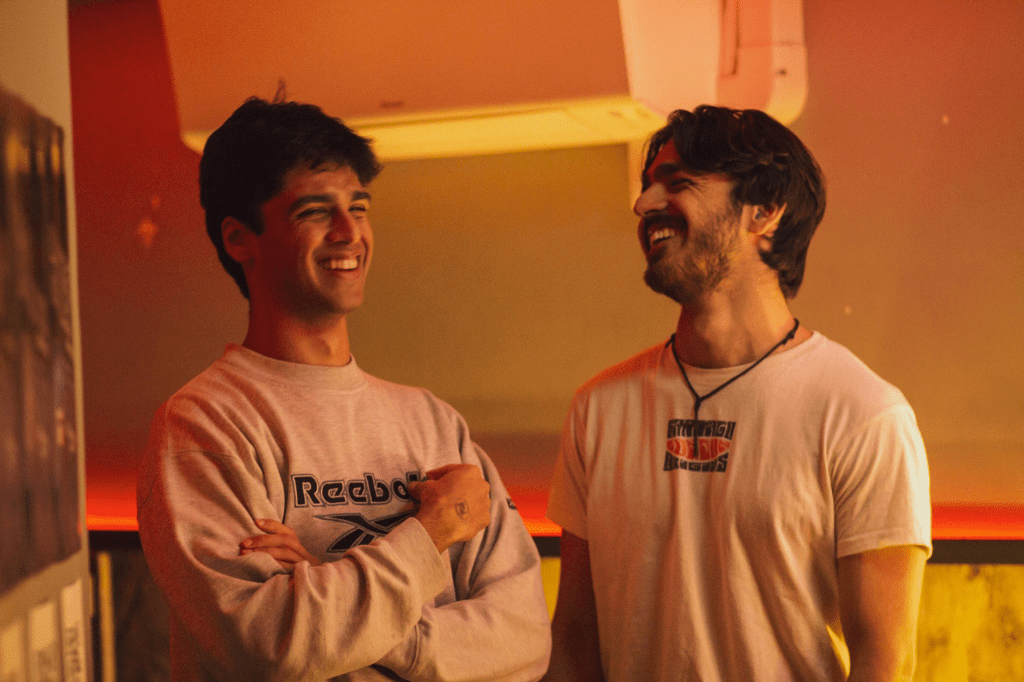
Yeah, I think a few things. One is definitely, like, I started this journey — I owe a lot of it to my brother. I’m really passionate about him and his music, so for me, I wanted to build something with Farrago that, if it could support him and help him grow one day, then hopefully it could help other artists as well. So yeah, he’s definitely part of the reason for all of this and what keeps me going.
Also, the initial levels of success we’ve had just show me how much more we can do to support artists. Our first event was free and sold out — and the fact it sold out ignited this flame in me, like, “oh shit, this works, and it can help people”. I’m very thankful for that.
My long-term vision is to build this into a big business that supports artists fundamentally — making them more sustainable and building financially supported careers through performing live.
What also keeps me driven is that I’m gratefully in a position to do so. Not many people can because of their circumstances. I’m fortunate enough to live at home, save money, have a decent network, and a supportive team. I’m in a good place to be able to do this, and I feel like someone with my resources would be a fool not to at least try and build something that can help people.
So for me, it comes from a place of gratitude. I’m like, wow — if I’m in this position, I almost have a duty to do something to support these artists. So yeah, that’s definitely another reason.
Have you got like an event that’s been your favourite just looking back now?
I think it’s different for everyone on the team, but my favourite is Amplifier Music. It was really special to see some big names in the music industry talking to these super talented artists, learning from each other. On one side, you’ve got music professionals building businesses but not really in touch with the grassroots. On the other, you’ve got artists making amazing music but not understanding the business side. So bringing hundreds of artists and professionals together — that was a really special moment. Definitely a milestone for me.
Another standout event was our third ever, in August 2022. I’m still a bit blown away by how big it turned out. I had these blinkers on — in a good way — and just went all in. We spent a lot on the venue, booked loads of artists, and had so many moving parts. There were four live music performances, a fashion show, DJs, and lots of visual art.
It was a massive space — not sure if you know 26 Leake Street in Waterloo — it’s under the arches, a beautiful big venue. For my third ever event, I’m still like: how did you do this? But I think it was that passion that carried us through. We met a lot of the artists we work with today through that event. It was just really special.
Even the last event we hosted was amazing. I met so many incredible artists through our house parties. They’re very social — we have live music, DJs, and other things — but the community it brings together is full of such lovely, talented artists. I listened to three or four who sent me their music after and they all sounded great. I’m like, wow — there’s so much talent in London. I just hope I get to platform as many of them as possible.
So yeah, too many to count, but Amplifier Music and that third event really stand out for me.
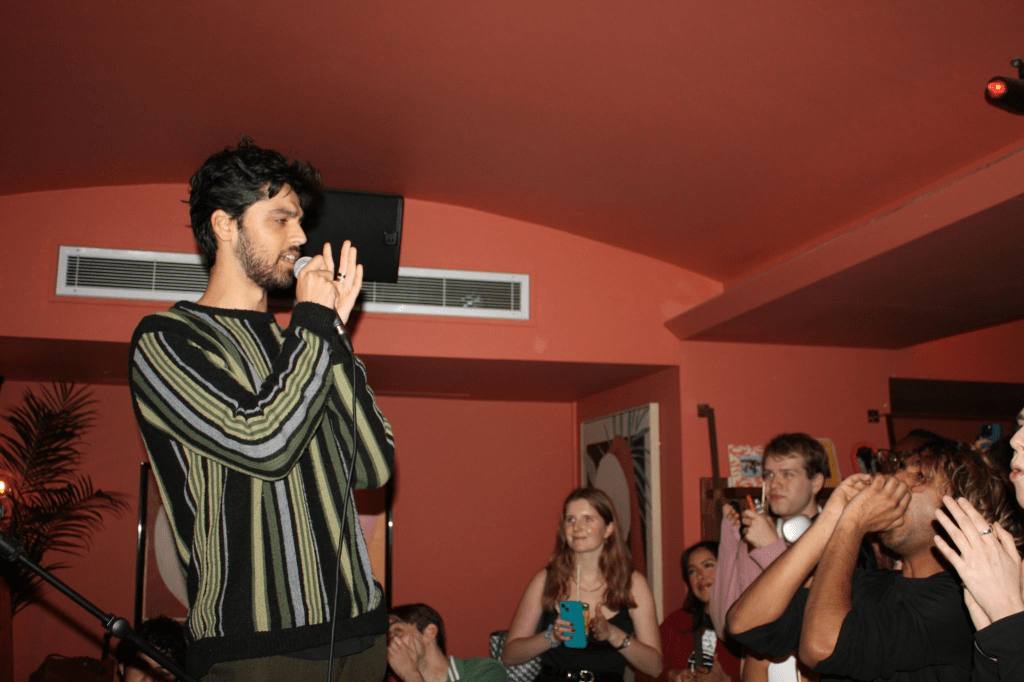
Yeah, it’s just seeing the faces of the people enjoying the music and the artists, like that’s what it really comes down to in the end, isn’t it?
In my opinion, I’m a serial scroller like everyone else but the in-person experience is just, it can never be replaced. It’s just, it’s so special and yeah, I feel like music is the best way to bring people together.
 ARTIST AVENUES